Abstract :
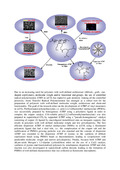
[en] Due to an increasing need for polymers with well-defined architecture (diblock-, graft-, star-shaped copolymers), molecular weight and/or functional end-groups, the use of controlled radical polymerization (CRP) in scCO2 has started to gain attention. Among all the controlled processes, Atom Transfer Radical Polymerization has emerged as a robust tool for the preparation of polymers with well-defined molecular weight, architecture and chain-end functionality. The goal of the research relies on the development of ATRP of vinyl monomers in scCO2. Perfluorinated polymethacrylate, i.e. poly2,2,2-trifluoroethyl methacrylate (PFMA), was successfully prepared by homogenous ATRP using a polymeric ligand in order to complex the copper catalyst. CO2-soluble poly(2,2,2-trifluoroethylmethacrylate) was also prepared in supercritical CO2 by supported ATRP using a “pseudo-homogeneous” catalyst consisting of copper (I) ligated by macroligand immobilized onto an inorganic support, that results in polymers with well defined molecular weight and low polydispersity. The first efficient dispersion ATRP of methyl methacrylate (MMA) in scCO2 using a fluorinated polymeric ligand that had a dual role, i.e., the complexation of the copper salt and the stabilization of PMMA growing particles was also reported and the concept of dispersion ATRP was extended to the dispersion ATRP of styrene, to the synthesis of diblock copolymers beads using PMMA beads as macroinitiators, leading to (co)polymers with predictable molecular weight and narrow polydispersity. Finally, because both ATRP and alkyne-azide Huisgen’s 1,3-dipolar cycloaddition relies on the use of a Cu(I) catalyst, synthesis of pyrene end-functionalized polymers by simultaneous dispersion ATRP and click reaction was also investigated in supercritical carbon dioxide, leading to the formation of PMMA of well defined characteristics that was collected as fluorescent micropheres.